Biathlon: Development coaches open up about use of simulated altitude
Originally published in NRK on January 03, 2026
We report from Lillehammer
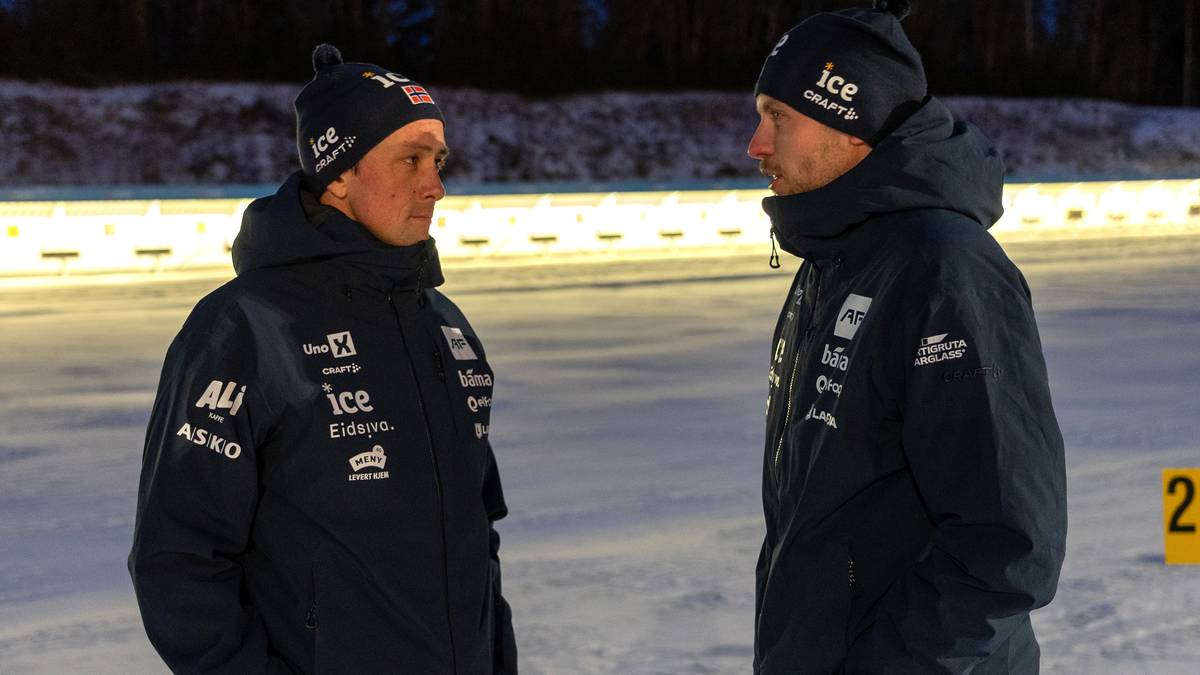
On Christmas Eve the biathlete Sivert Guttorm Bakken (27) was found dead in his hotel room during a private altitude camp in Lavazé, Italy. The event shocked many, including coaches on the development national team that Bakken was part of. The two coaches who speak to NRK — development manager Anders Brun Hennum and recruit coach Anders Øverby — were with Bakken during the World Cup in France in December.
“Perspective for us is really much longer than those days right before Christmas. Then you get an abrupt stop where you can’t see any future at all. You feel like you live in a nightmare and you’re taken away from everything you value,” says Øverby.
He meets NRK together with development manager Anders Brun Hennum in Spartan offices near the shooting range at Birkebeineren ski stadium in Lillehammer.
“It has been and still is quite heavy. Shock and terribly painful. For me, for us personally, and for many. It has been some hard days,” says Hennum, who followed Bakken closely from he was 14.
No secrets about simulated altitude
The Norwegian Biathlon Federation has said Bakken was found wearing an altitude mask, and two days later the federation stated they were aware that a small number of individual athletes had obtained equipment for simulated altitude. The cause of death is still unknown and it is therefore not known whether there is a connection between the death and use of an altitude mask.
“What I find unfortunate is that it is portrayed almost as if someone had done something illegal. And that is not the case. This is off‑the‑shelf. Anyone can go and buy altitude‑simulation equipment and set it up. It’s a tool we now have in the toolbox, and then you operate according to that,” says Hennum.
Hennum and Øverby say they want to share more about how they work on the development team — and about their experience with simulated altitude.
“We generally want to tell about everything we do. We have no secrets, and we are open about most of what we are doing,” says Hennum.
Very few have used it
They will not and cannot speak about individual athletes, and stress they are speaking generally about the team’s experience with simulated altitude.
“How widespread is use of simulated altitude?” NRK asks.
“In Norwegian biathlon it is very small. We have a very few who have used or tested this,” answers Hennum.
“Is that then under the coaches’ direction?” NRK asks.
“It is primarily initiated by the athlete themselves, but we do have dialogue about it.”
“Do you feel you have full oversight of who uses it?”
“Yes, we feel we have that,” replies the development manager.
Context and rules
Simulated altitude was banned in Norway from 2003 until 2021, when the ban was lifted at the sports congress. Olympiatoppen has its own guidelines for simulated altitude. Hennum says the federation follows those guidelines and keeps a dialogue with Olympiatoppen.
“As it stands, the guidelines are as described by Olympiatoppen. And we have dialogue about it,” he says.
Not a silver bullet
The recruit team is known for varied training and a focus on development, a formula the coaches say has been successful. They want to put simulated altitude in context: ordinary training is always the most important.
“This (simulated altitude) will never be the X‑factor or ‘make it or break it’. If anything it comes on top of something. The big percentages are your daily training — skating, running, intervals, easy sessions — that is the cornerstone,” Øverby says.
“In the best case this is about gaining margins for someone already at an extremely high level,” Hennum explains.
After Bakken’s death, the Norwegian Biathlon Federation asked that all use of simulated altitude stop until further notice. Olympiatoppen recommended the same. Hennum notes that Olympiatoppen highlighted main risks: poorer sleep and reduced training response, and that because Bakken was found wearing the mask it was natural to temporarily remove that factor for everyone.
Waiting for answers
Italian police have said the cause of death may be revealed before March 7, and until then family and others must wait. Hennum and Øverby hope the attention on the mask will diminish in time.
“For the sake of us who are in this case, and his family, I think it’s time to turn the light onto some of the other things he stood for,” Øverby says.
Both miss him deeply. Øverby describes Bakken as a loyal teammate who pushed others to perform, and Hennum calls him a pioneer in many areas of biathlon, someone who leaves an enormous legacy and a lot to learn from for future generations.
Practical note
Øverby will lead Norway’s IBU Cups team in Arber next week, and the development staff say they will use the coming period to gather those who were close to Bakken and to remember him.
— “We will miss his dedication, but most of all the person Sivert was,” Øverby says.
See Also
Biathlon: Juni Arnekleiv will race to honor the late Sivert Guttorm Bakken
December 27, 2025 / NRK Sport
Biathlon: First World Cup after Bakken’s death — Norway without Botn and Laegreid
January 03, 2026 / sportschau.de (WDR)