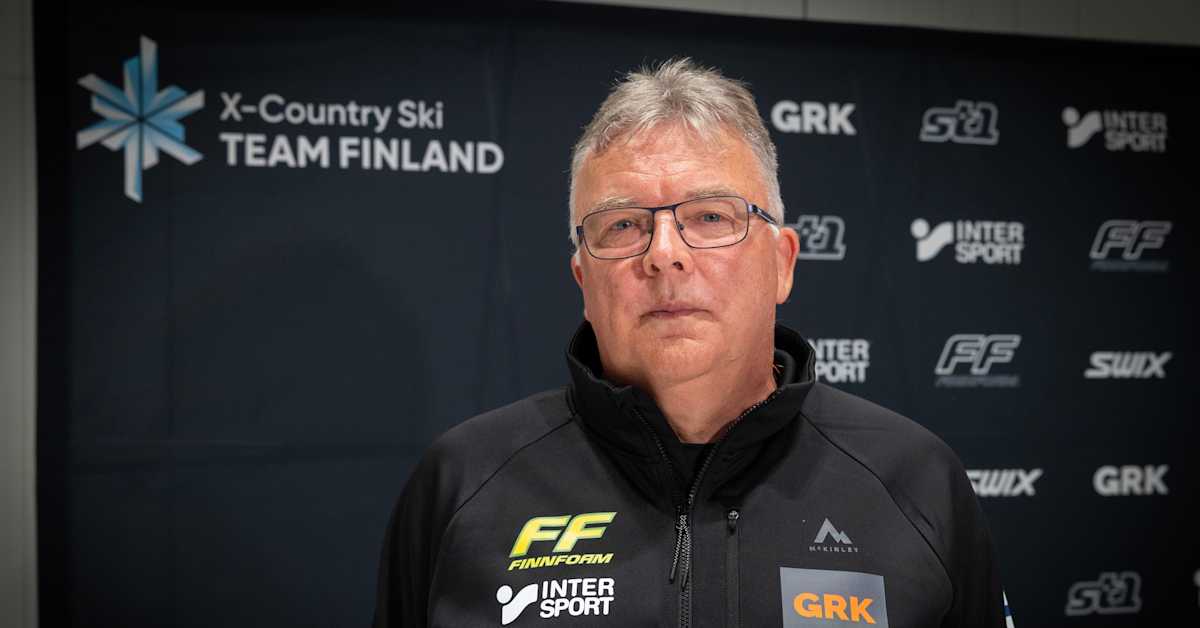
Shocking details about Sivert Guttorm Bakken’s death — coach Reijo Jylhä explains the Finns’ training methods and how they differ
Originally published in Yle on December 28, 2025
Finnish national team coach Reijo Jylhä, who has returned for a one‑year stint to lead the women’s A‑team, commented on media reports surrounding the death of Norwegian biathlete Sivert Guttorm Bakken, 27, on December 23.
Norway’s Karoline Simpson‑Larsen, one of cross‑country skiing’s early‑season sensations, described the team’s shock ahead of the Tour de Ski after news of Bakken’s passing. Bakken was reportedly found deceased in a hotel room with an oxygen mask on his face. Such masks can be used to simulate high‑altitude conditions. He was already staying at altitude in Lavazè, northern Italy, at around 1,800 meters.
According to Norwegian outlet VG, the mask recovered from Bakken’s face had at some point been set to simulate an altitude of approximately 7,000 meters. It is not known whether that setting was active at the time of death or if it had been changed. There is currently no confirmed link between the mask and Bakken’s death, but Norway’s elite sport unit Olympiatoppen has advised athletes to refrain from artificial altitude training for the time being.
Esa Hynynen, a sports physiology expert at KIHU (the Research Institute for Olympic Sports), explained to Yle what these masks are typically used for.
Jylhä: Finns don’t use that kind of mask
Jylhä, formerly Finland’s head cross‑country coach in 2001–06 and 2014–18, said: “We haven’t used anything like that,” referring to the mask reportedly found on Bakken. Finnish skiers did use oxygen masks about a decade ago, which caused a stir at the time, but those were for different purposes: supplemental oxygen during high‑altitude training to aid recovery. Finns have also used masks with breathing resistance to strengthen respiratory muscles.
By contrast, the mask reportedly used by Bakken reduces the amount of oxygen in the inhaled air to simulate higher altitude. “With that kind of mask, you reduce the incoming air and thus simulate altitude. It feels extreme to be at 1,800 meters and then add 7,000 meters—if done deliberately—that’s higher than the Himalayan summits,” Jylhä said.
Jylhä noted that terms and methods can easily be confused when discussing endurance training tools: classic altitude camps, hypoxic tents (‘alpine tents’), altitude rooms, and devices that adjust the oxygen fraction of the air. He recalled that, decades ago, there were early devices involving a backpack canister and face mask—colloquially called a “smoke box”—used around the late 1980s to early 1990s. Later, Vuokatti acquired an alpine house where the partial pressure of oxygen could be precisely regulated.
Asked whether Finnish endurance athletes currently use the same type of mask as reportedly used by Bakken, Jylhä answered: “To my knowledge, such devices have never been used here. There are a few places with an alpine house, but as far as I know, nobody has that kind of mask or anything equivalent.”
See Also
How Norway’s biathlon stars will travel to Munich in unusual fashion
October 17, 2025 / SPORT1
Biathlon: Vetle Sjåstad Christiansen learned of Sivert Bakken’s death from teammate Johannes Dale-Skjevdal
December 29, 2025 / NRK Sport
Death of Sivert Guttorm Bakken: Trento prosecutors say no suspects; autopsy pending
December 29, 2025 / La Gazzetta dello Sport
Sivert Guttorm Bakken back among the world’s best after long layoff
December 11, 2025 / Sportschau
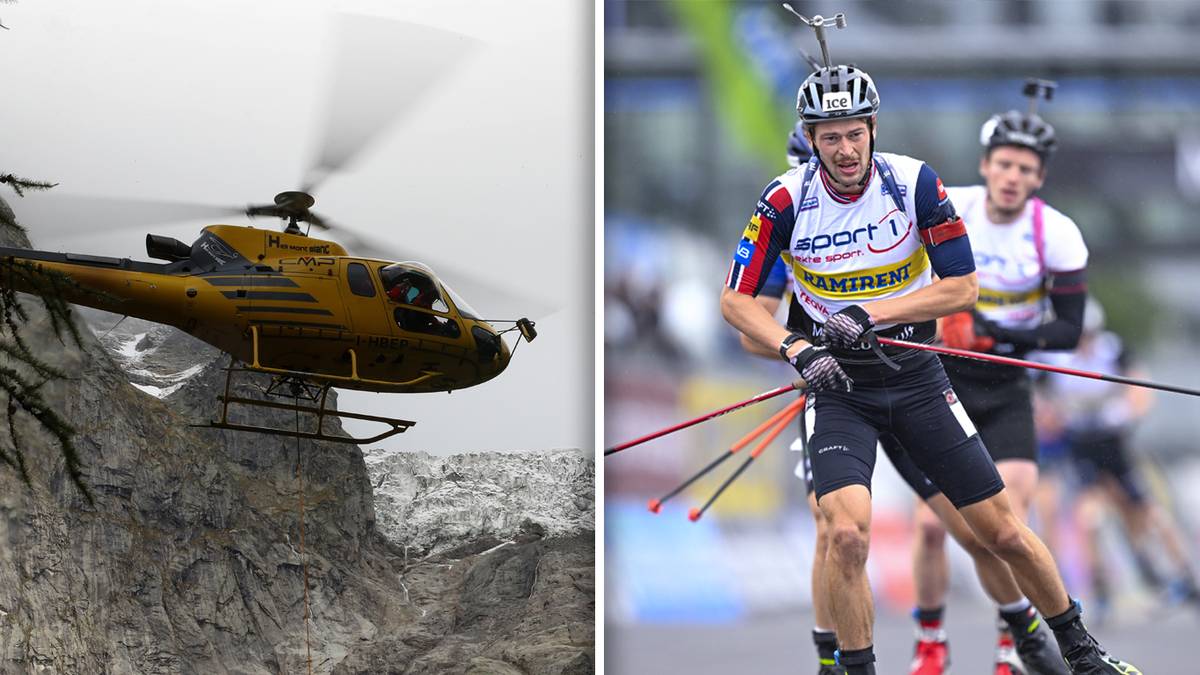
Norwegian biathletes ‘forced’ to take a helicopter — contradicting their own sustainability goals
October 16, 2025 / NRK Sport