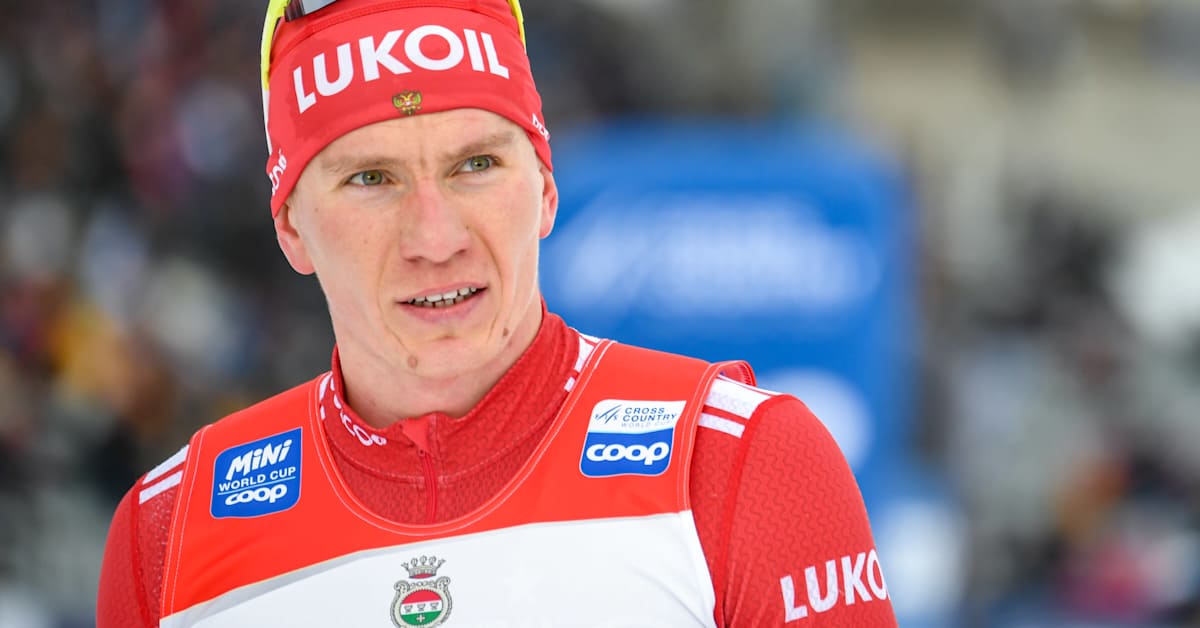
Analysis: Aleksandr Bolshunov’s behavior tears Russia’s cross‑country team apart amid Olympic eligibility ruling
Originally published in Yle on December 09, 2025
Russian cross‑country circles welcomed news last week when the Court of Arbitration for Sport (CAS) ruled that Russian and Belarusian Nordic athletes must be allowed to compete at the Italian Winter Olympics as neutral athletes if they meet IOC criteria.
Despite that potential opening, there has been little reason to celebrate inside Russia’s team. The country’s best‑known skiers are unlikely to be cleared for Milan–Cortina because of military affiliations and political activities, and relations within the national squad are strained.
The immediate flashpoint is Aleksandr Bolshunov. Long the untouchable king of Russia’s team since his 2018 breakout and subsequent Olympic and World Cup success, he has been protected despite occasional excesses (Finnish fans recall his clash with Joni Mäki in Lahti 2021). But during the international ban his form waned amid health and family issues, and frustrations have boiled over.
At a late‑November Russian Cup sprint, Bolshunov shoved rival Aleksandr Bakurov after a semifinal, knocking him down and injuring his leg. The incident, widely circulated on Match TV’s Telegram channel, triggered an unprecedented wave of criticism from teammates, legends, and usually sympathetic media voices. Rising talent Savely Korostelev asked whether this was truly the nation’s pride, insisting such actions are unacceptable.
Pressed to apologize, Bolshunov posted a video admitting wrongdoing but then accused Bakurov of unfair racing and exaggerating his injury, and attacked media figures Dmitry Guberniev and Andrei Romanov, as well as Olympic champion Aleksandr Legkov, for inflating the scandal. He also alleged that athletes from coach Egor Sorin’s group have repeatedly blocked or interfered with him in mass‑start and contact races since Russia was barred internationally.
After deliberation, the Russian Ski Federation suspended Bolshunov until Bakurov could return to racing; the ban ultimately lasted two events. The affair has deepened existing rifts between Russia’s leading coach groups. Yuri Borodavko has publicly defended his star and criticized Korostelev, while Sorin, who coaches Korostelev and Bakurov, rejected Bolshunov’s accusations. Others within the team hint that Bolshunov’s special treatment should end.
Beyond sport, Bolshunov’s political profile likely excludes him from Olympic neutrality: he is a National Guard captain and has appeared at pro‑war events, including the 2022 Luzhniki rally with President Vladimir Putin. Federation president Elena Välbe has recently said few Russians will satisfy IOC neutrality criteria; the most plausible candidates are young athletes such as Savely Korostelev, Sergei Volkov, and Darja Nepryayeva. Korostelev is aiming to race already this weekend at the Davos World Cup.
As the Games approach, the scandals surrounding Bolshunov have poisoned relations among Russia’s top training groups. Regardless of who might be cleared to compete, the team atmosphere is anything but unified.
See Also
Cross-country skiing: Scandal in Russia — Alexander Bolshunov ran over a rival and was disqualified
December 01, 2025 / SVT Sport
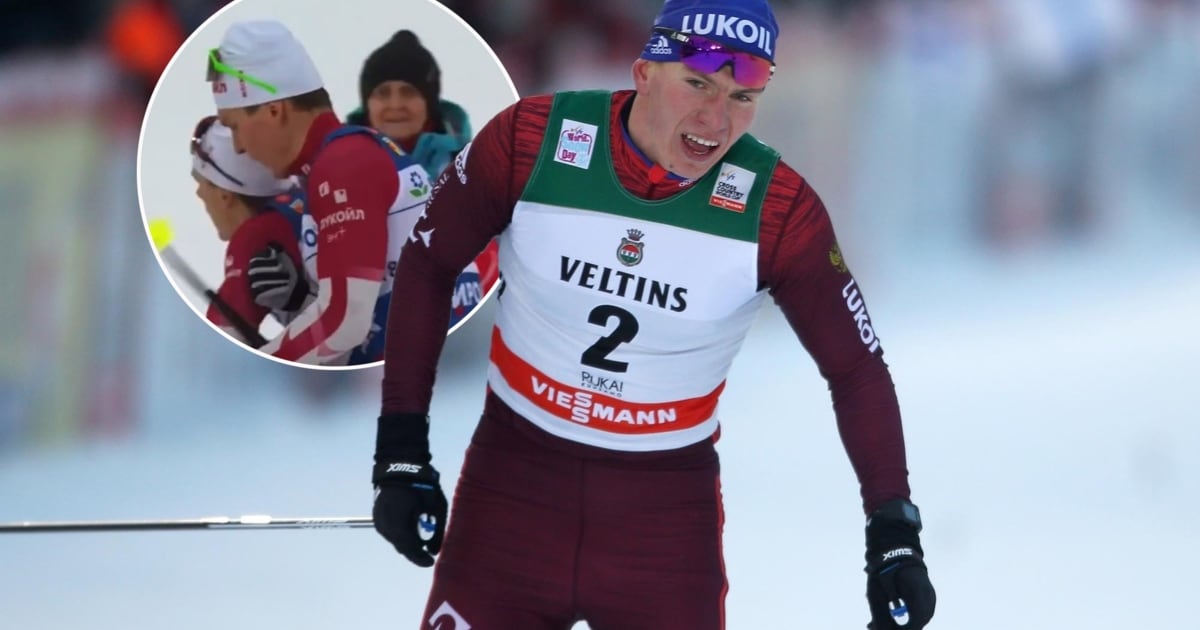
“Unacceptable!” Olympic champion Bolshunov lashes out and injures rival after sprint semifinal
December 02, 2025 / krone.at
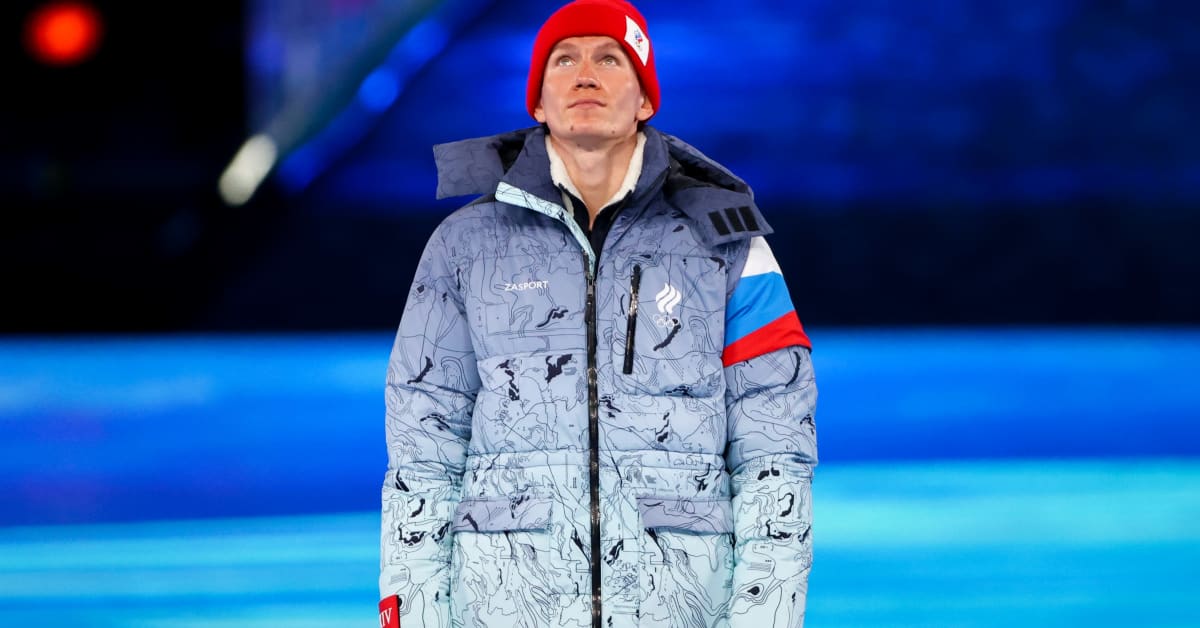
‘With Trump’s Permission’ – See How Aleksandr Bolšunov Spoke About His Comeback Abroad
February 14, 2025 / Yle
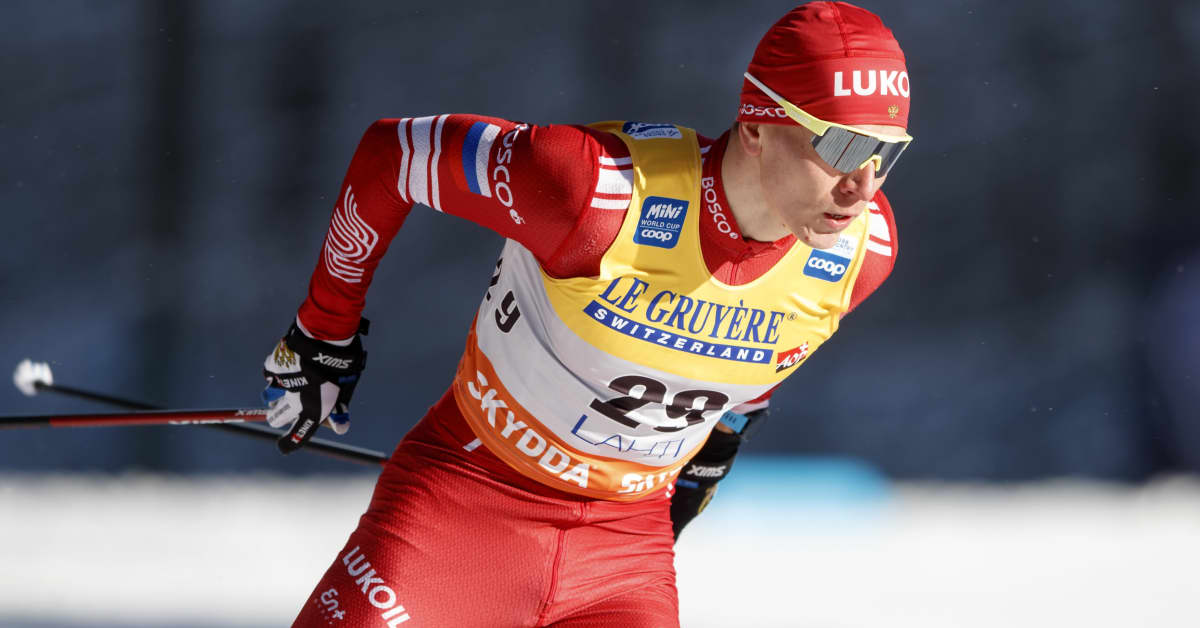
Russian coach blasts Nordics over FIS ban: claims decision-makers were “pressured”
November 08, 2025 / Yle
Cross-country phenom Saveliy Korostelev draws attention: “From Russia’s highest skiing lineage”
December 09, 2025 / SVT Sport
Cross-country: Russian coach slams FIS ruling as “smelling of Russophobia”
November 08, 2025 / SVT Sport