
This is the controversial ‘wax pot’ — FIS and Norway’s service chief explained the Olympic dispute to Yle late at night
Originally published in Yle on February 13, 2026
Milano–Cortina 2026 — Val di Fiemme
On Thursday evening the headlines shifted from the women’s 10 km interval start to accusations coming from earlier in the week: during Tuesday’s classic sprint heats Norway’s and the United States’ service crews were suspected of breaching the equipment rules when preparing skis between rounds.
Italian head coach Markus Cramer raised the issue, saying Norwegian service staff had brought a so‑called “wax pot” — an electrically heated waxing/roller machine — into the service area. He also said the U.S. crew had brought a forbidden liquid bottle into the area. Finnish service chief Heikki Tonteri, reached by Yle Sport, expressed his irritation and even called Lauri Vuorinen “the moral Olympic winner” after Vuorinen finished fourth behind Norway and the USA.
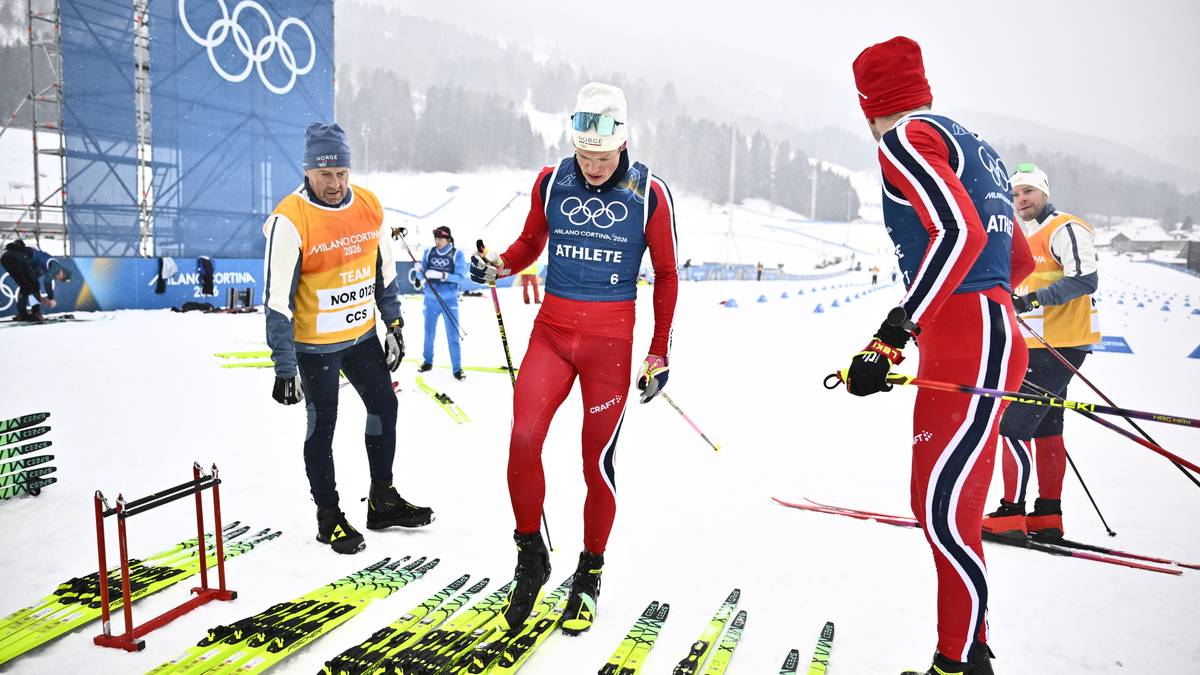
Norwegian service chief Tord Hegdahl confirmed to Yle late Thursday that the wax pot had been used in the sprint heats on Tuesday. “We rolled a grip‑wax mixture onto two skiers’ bases with it,” Hegdahl said by phone, adding that neither of those two skiers reached the final.
Hegdahl said Norway had asked FIS equipment officials for permission to use the roller device on the grip zones and had received consent. He also said no other teams had so far complained directly to him; a German service man had asked after the race whether the device was allowed and Hegdahl had replied that they had been given permission.
FIS response and follow‑up
Yle Sport contacted FIS competitions director Michal Lamplot at 18:00 Finnish time. Lamplot referred the request to FIS communications officer Synne Dyrhaug. At 19:00 FIS emailed Yle an official statement saying FIS had authorised Norway to use a roller (a ‘‘tela’’) that treats the grip zone and noting that similar devices have been used in World Cup races this season. The statement also said Lamplot had approved Norway’s request but admitted an error in not immediately informing other service teams; FIS apologised and pledged it would not recur during the Olympics. The first FIS message did not mention the U.S. liquid bottle.
When Yle asked for an interview with Lamplot, FIS declined and later that evening sent a second official email addressing both Norway and the USA. That message repeated the Norwegian paragraph and added that the U.S. service person had brought a bottle to the area for hand‑cleaning; the U.S. service chief had apologised for that mistake during the team leaders’ meeting earlier the same day.
How the device works and practical advantage
Former Finnish service chief Harri Aaltonen explained by phone what the roller‑type wax pot is: a powered drum with a trough beneath that keeps grip wax molten or in a flowable mix; when a ski is rolled over the drum it receives a uniform layer of wax. According to Aaltonen, teams without such a device typically apply klister from a tube and then must run it in to make it flow — a far more imprecise, slower method.
Hegdahl told Yle that Norway in the service area had used the roller without electricity where mains were not available, and Heikki Tonteri agreed the device shown in the photos looked the same. Aaltonen said the roller can apply the desired layer in 3–4 seconds, which leaves a lot more time to react between heats — a clear performance benefit compared with hand‑daubing from a tube.
Reaction and who’s to blame
Tonteri declined to accuse the Norwegian or U.S. service chiefs directly of rule‑breaking, instead blaming FIS for unclear rules and for uneven enforcement. “If FIS writes the rules, FIS must ensure they are the same for everyone and that they are enforced,” he said. He was not mollified by FIS’s apology: “It does not make me feel much better. Classic sprint comes only every eight years,” Tonteri said when Yle called late Thursday.
The case remains a matter of debate: FIS says it authorised the Norwegian device but admits a communication error; Norway says it asked for permission and used the device on two athletes who did not reach the final; the U.S. acknowledged bringing a bottle to the area and apologised. Many service chiefs and former technicians say the roller gives a clear and rapid advantage when re‑treating grip zones between heats, which is why the incident generated strong reactions from other teams and media.
See Also
Olympics 2026: Norway penalised for illegal ski testing after relay gold
February 15, 2026 / NRK

Norway punished for new rule breach
February 15, 2026 / Sveriges Radio (Radiosporten)
FIS suspends Norwegian officials and athletes under investigation
December 05, 2024 / FIS