100 km sessions and the Norwegian method: Mathis Desloges on his preparation — “I love digging into what other sports do”
Originally published in L'Équipe on November 27, 2025
French cross-country skier Mathis Desloges (23) returns from a media week in Paris to Villard-de-Lans and resumes training on roller skis around the biathlon stadium in Corrençon-en-Vercors. Coming off a sixth place in the skiathlon (10 km classic + 10 km skate) at the 2025 World Championships in Trondheim, he begins his Olympic season this weekend in Ruka, Finland.
After taking a rare post-season break—rather than racing long Scandinavian classics like 100 km double‑poling—Desloges rebuilt volume quickly, returning to 20–35 hours per week. Passionate about training science, he reads studies, exchanges with athletes from other sports, and experiments with methods to find what fits him best.
He has helped bring elements of the "Norwegian method" into the French team setup, inspired by endurance trends seen with athletes like Jakob Ingebrigtsen. According to staff member and former sprinter Renaud Jay, Desloges is inquisitive but also pragmatic about limits. Head coach Thibaut Chêne emphasizes the dialogue and co‑construction of his plan while maintaining structure.
A typical heavy week can include one or two days of double‑threshold (for example, 3×20 minutes uphill at controlled pace in the morning and 5×10 minutes faster on the track in the evening), at least one long outing (up to 100 km and 5.5 hours on skis), a race‑pace session, two strength sessions, and lots of easy aerobic work via roller skiing, running, and cycling. He enjoys relaxed aerobic rides—"two hours with a bakery stop"—balancing pleasure and performance.
This season he has focused specifically on improving classic technique and sharpening his finishing speed. Chêne believes the groundwork now positions him for World Cup podiums, which would translate to Olympic potential in February 2026. Desloges planned to gauge progress in Ruka with a 10 km classic opener followed by a 20 km skate mass start. If results don’t come immediately, he intends to keep refining the details—convinced that at this level, small margins decide outcomes.
See Also
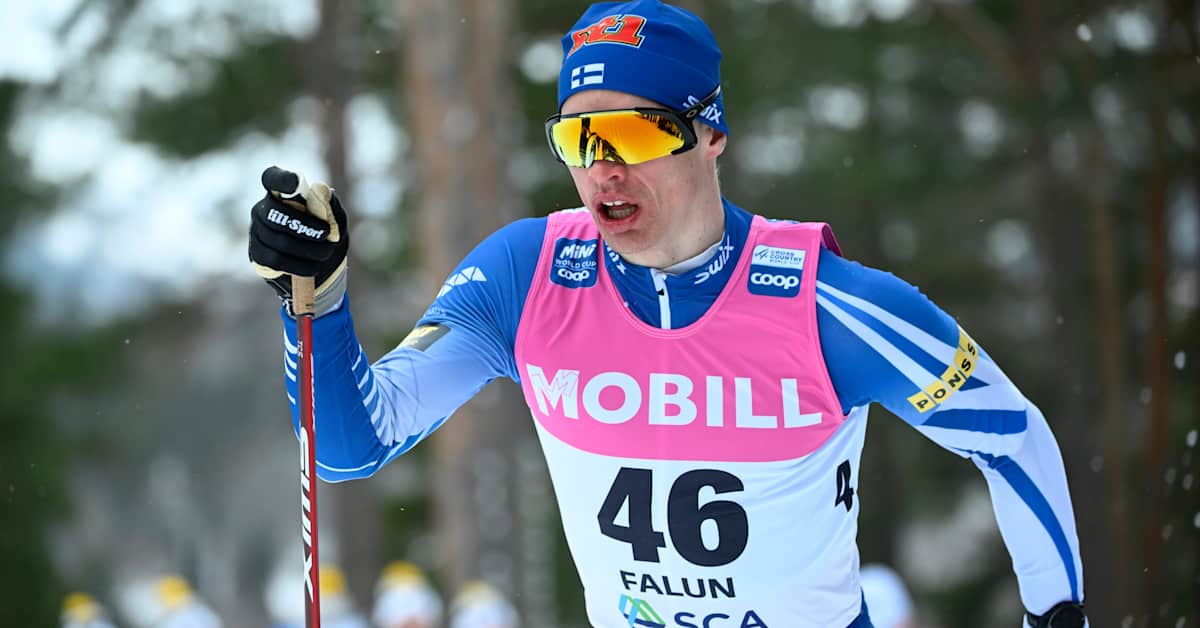
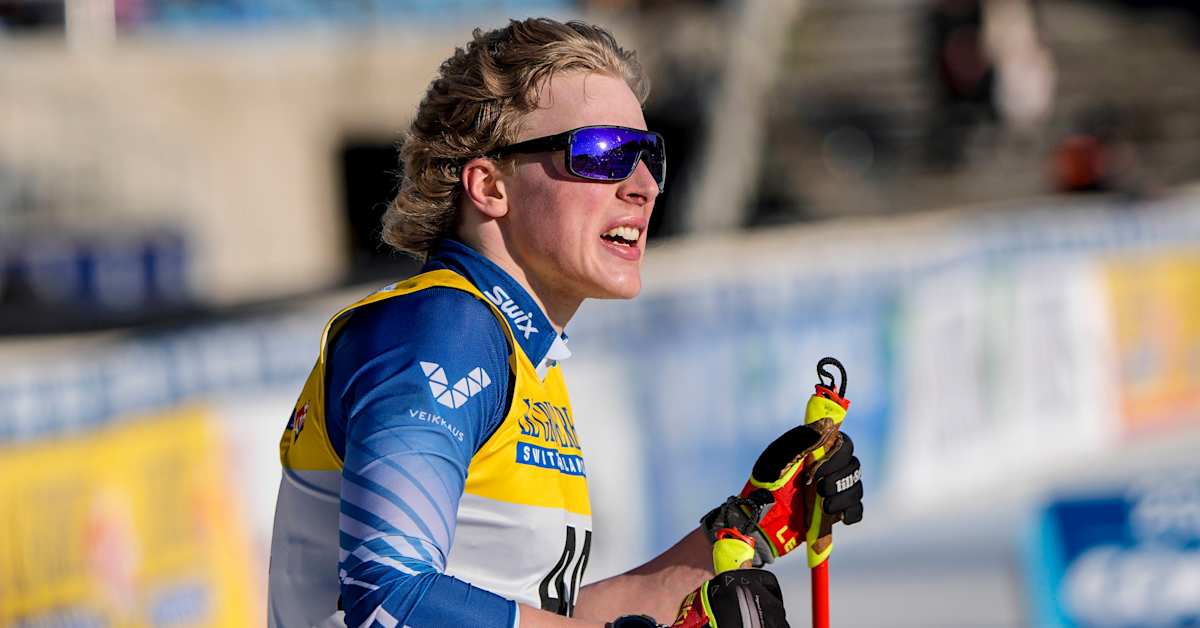
Miro Karppanen turns to Frida Karlsson–style warm‑weather prep as Finns battle for Olympic spots
November 02, 2025 / Yle
/origin-imgresizer.eurosport.com/2025/11/21/image-12fa0bb1-94d0-4e70-b679-3f02675941a7-85-2560-1440.jpeg)
Klaebo backs Emil Iversen before season start: “I’m as nervous on his behalf as he is”
November 21, 2025 / Eurosport Norge
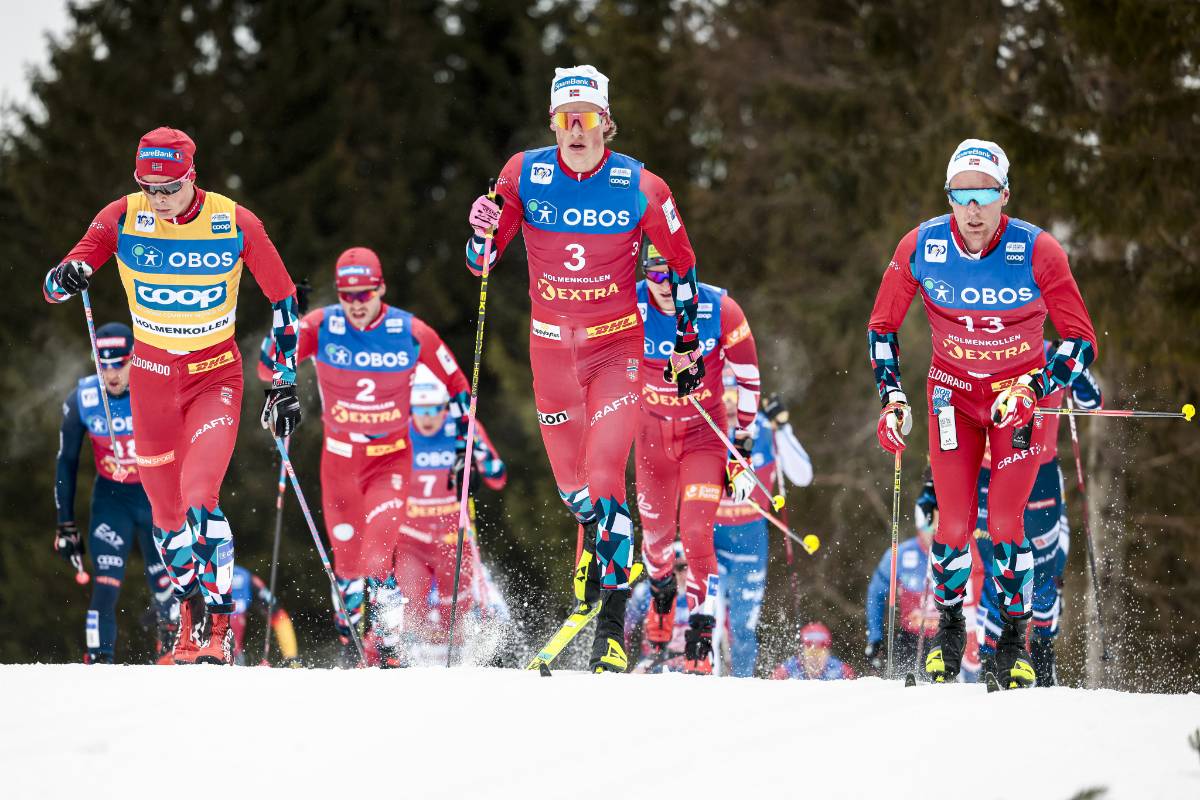
Men’s Cross-Country World Cup Preview: Klaebo again the one to beat as history beckons
November 28, 2024 / FIS
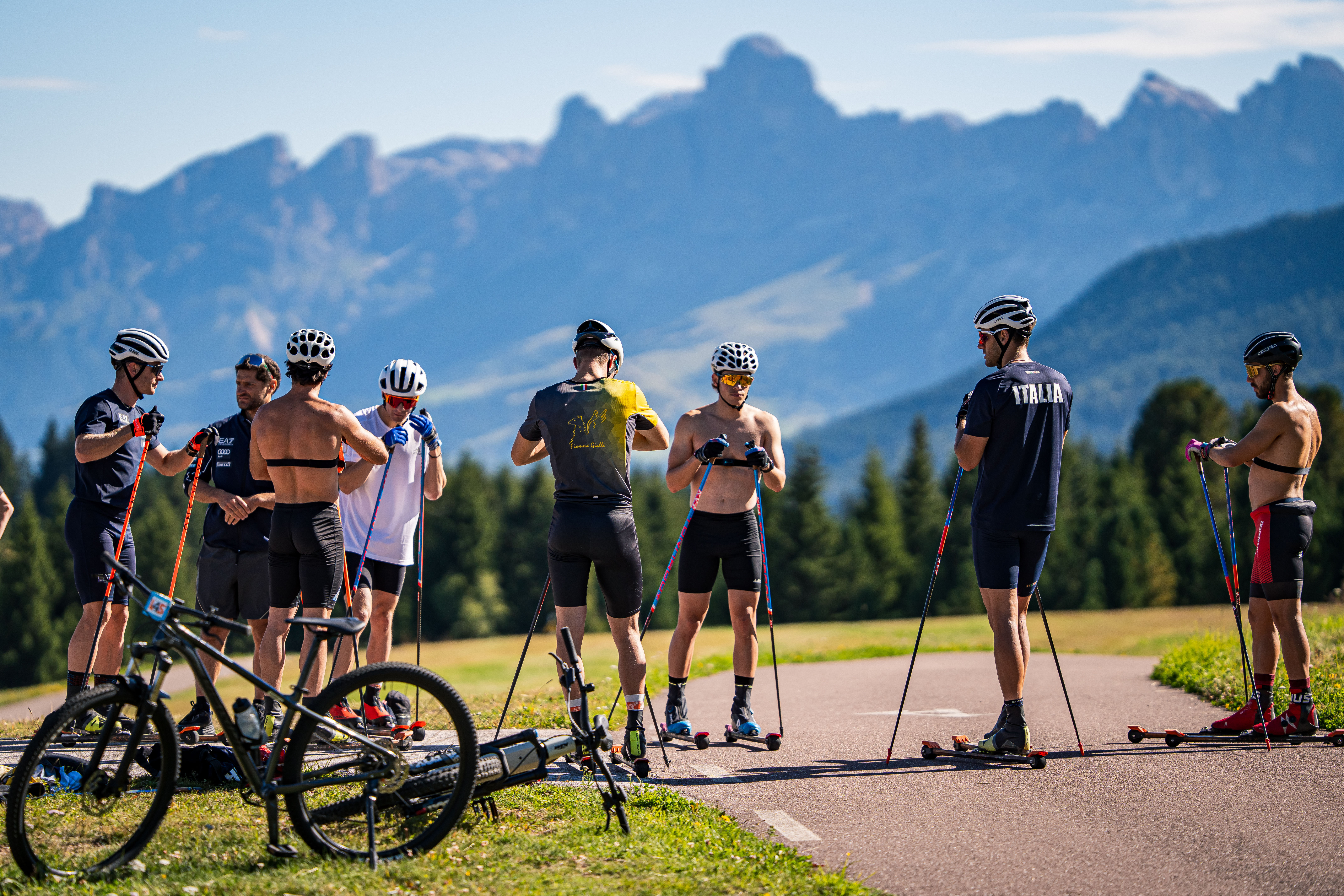
Cross-country stars share summer training behind the scenes
August 12, 2025 / FIS