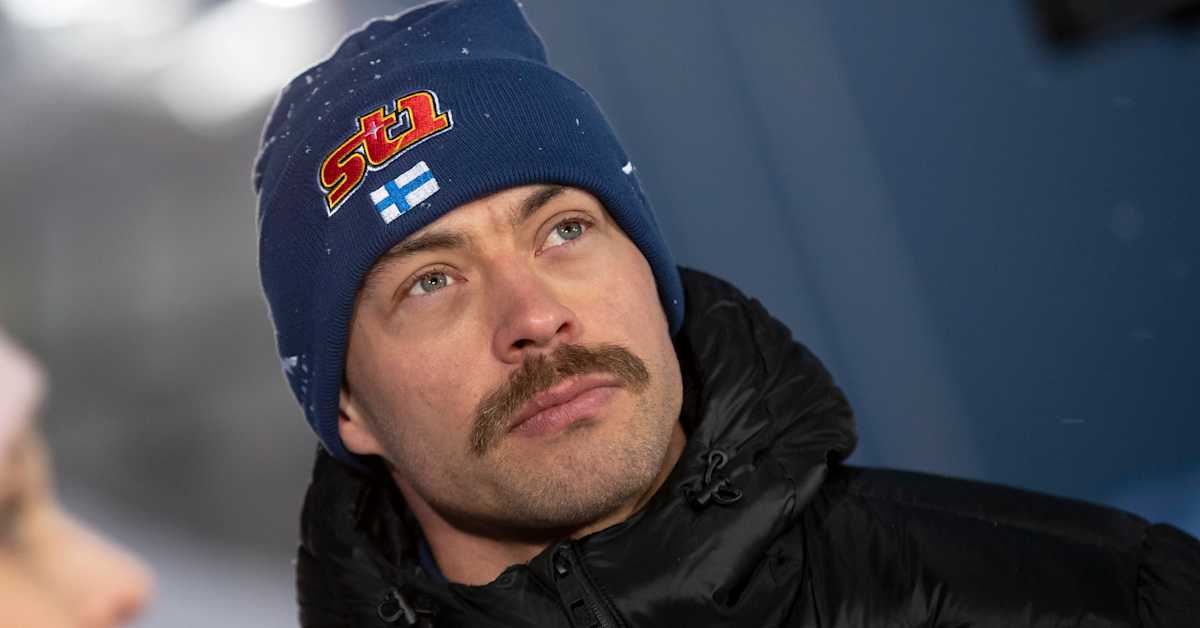
Mika Vermeulen astonished by Perttu Hyvärinen’s antics – and speaks to Yle about Austria’s doping shame
Originally published in Yle on December 27, 2025
When Finnish media discuss cross-country skier Mika Vermeulen, they often note he was named after Mika Myllylä. The 26‑year‑old Austrian, however, is much more than that label: a charismatic and engaging personality who believes the sport needs more figures like him.
Vermeulen, third in the 10 km classic interval start at the Ruka World Cup, tells Yle he idolizes Finland’s Perttu Hyvärinen—largely because of Hyvärinen’s distinctive social‑media presence. “Perttu drives a tractor and posts chainsaw videos. He literally lives my dream,” Vermeulen laughs, calling Hyvärinen the biggest legend he has met.
A complicated past and a move to Norway Vermeulen, born in 1999, was once a promising Nordic combined athlete and raced youth events alongside today’s stars like Austria’s Johannes Lamparter. He and Lamparter won junior world relay gold in 2018 in Kandersteg, where Germany’s Julian Schmid anchored on the same leg.
Choosing cross-country in Austria has been difficult because of the country’s dark doping history. Austria’s men shone in the late 1990s and early 2000s—winning relay gold at the 1999 Ramsau Worlds and medals at Salt Lake City 2002 through Christian Hoffmann and Mikhail Botvinov—before revelations of blood doping. Hoffmann was banned for blood doping in 2011, Johannes Dürr tested positive for EPO in 2014, and at the 2019 Seefeld World Championships Max Hauke and Dominik Baldauf were caught blood doping, Hauke infamously with a needle in his arm.
Frustrated by this culture, Vermeulen moved to Lillehammer to train and live. He draws a parallel to Finland’s Lahti 2001 scandal, which forced a national reset. For Austria, he says, Seefeld 2019 was “our Lahti 2001,” finally prompting change. Still, he notes the sport’s reputation suffered badly at home, with sparse junior participation and sponsors wary.
Glimmers of renewal: Vermeulen and Stadlober Vermeulen and veteran Teresa Stadlober have brought some brightness back to Austrian cross-country. Stadlober, 32, owns an Olympic bronze in skiathlon from Beijing 2022. On the men’s side, depth is inching up behind Vermeulen: sprinters Benjamin Moser and Michael Föettinger reached the heats this season and placed sixth in the Davos team sprint, just behind Finland’s Lauri Vuorinen/Joni Mäki. Moser also placed eighth in the Ruka sprint in 2024.
Challenging Norway’s dominance In distance racing, Vermeulen—along with Finland’s Iivo Niskanen—is one of the few able to challenge Norway’s men. He impressed with second overall at last season’s Tour de Ski, though he skipped this year’s edition due to minor health issues. At the Trondheim Worlds he placed ninth twice. He prefers to animate mass starts, as seen in his breakaway with Sweden’s Edvin Anger during the Ruka 20 km mass start.
Looking to Milan–Cortina 2026 With Milan–Cortina 2026 approaching, Niskanen’s main target is the 50 km classic mass start. Finnish observers wonder whether Vermeulen could be an ally in a hard, selective race. Vermeulen is realistic: on classic he sees Niskanen on another level, but he intends to keep races hard and be “in the game” deep into the finale. “If I’m there to the end with Iivo, it means the race has gone very well,” he says, adding that Niskanen is a proven championship performer who will push the pace from 25 km onward.
Overall, Vermeulen believes Austrian cross-country is moving in the right direction, even if Seefeld left lasting scars. He hopes his results and personality—along with Stadlober’s achievements—can help inspire more youngsters and rebuild trust in the sport at home.
See Also
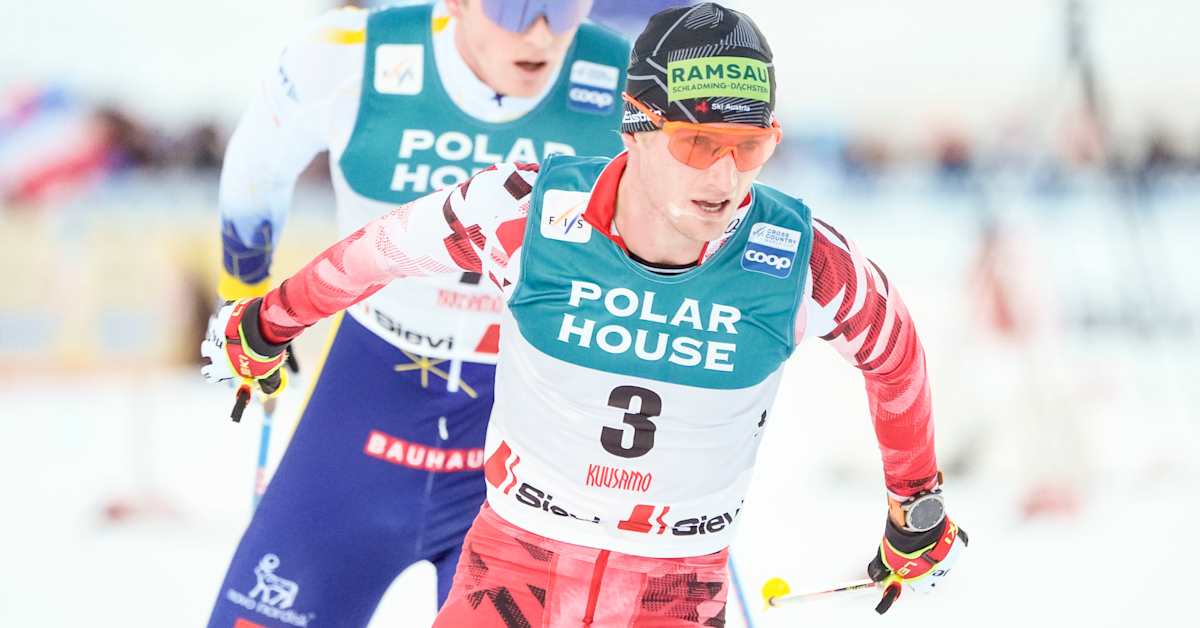
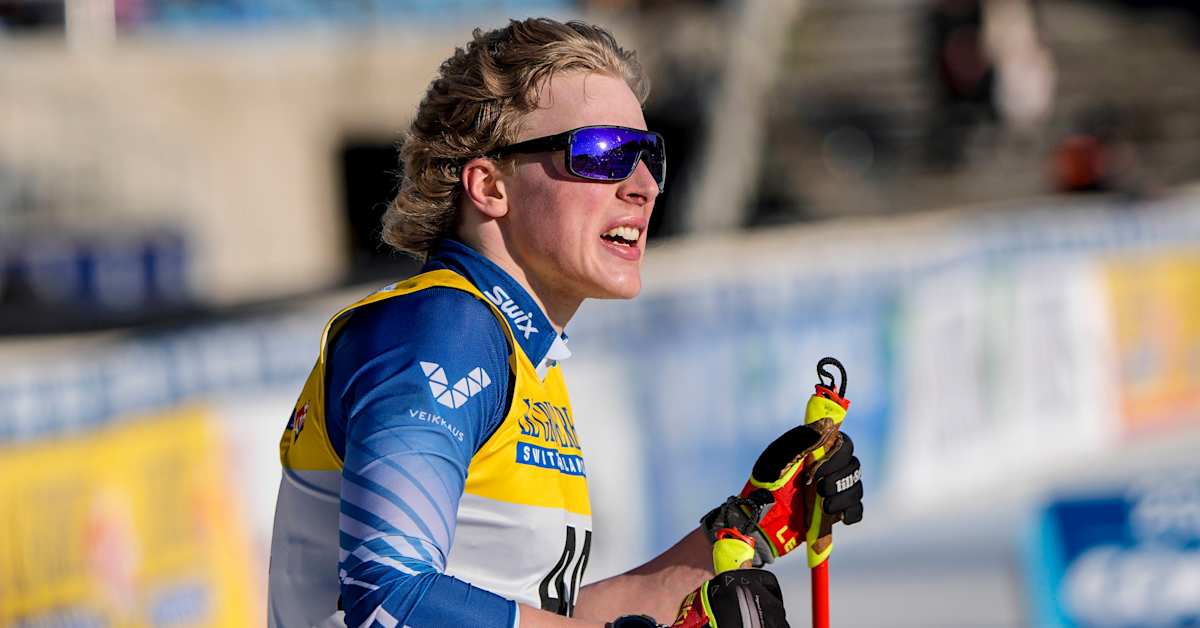
Miro Karppanen turns to Frida Karlsson–style warm‑weather prep as Finns battle for Olympic spots
November 02, 2025 / Yle
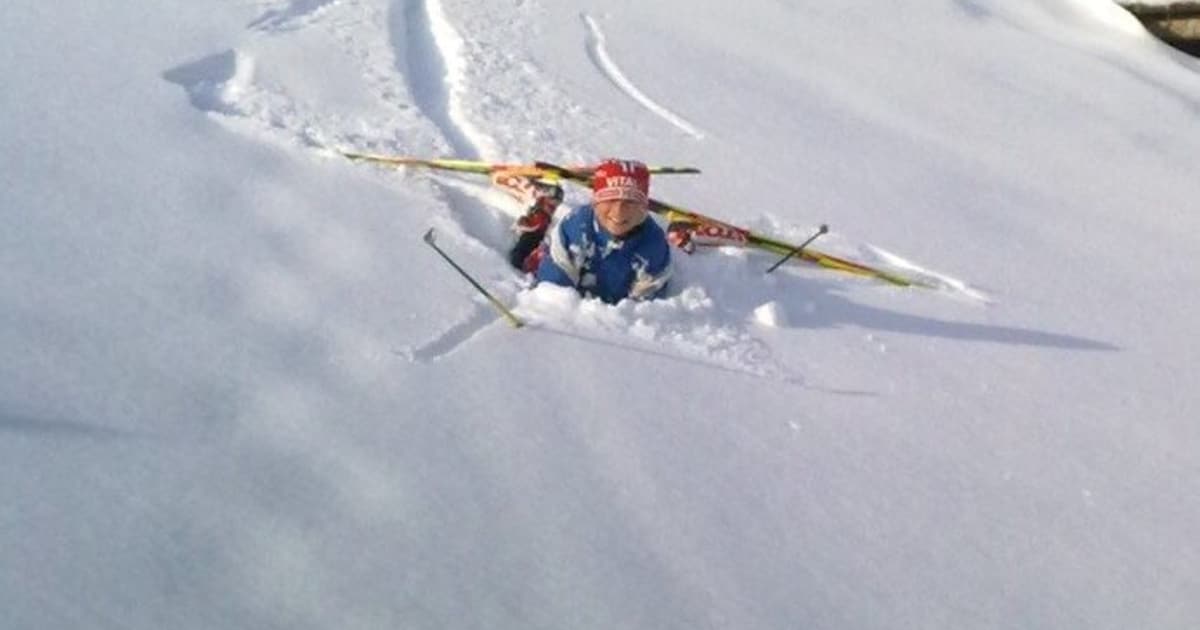
Papa Vermeulen Reveals – “Mika Actually Found Cross-Country Skiing Too Exhausting”
February 27, 2025 / Krone.at