How Russian skiers have been anti-doping tested during the ban: “They haven’t been able to dope to the hilt”
Originally published in Yle on December 02, 2025
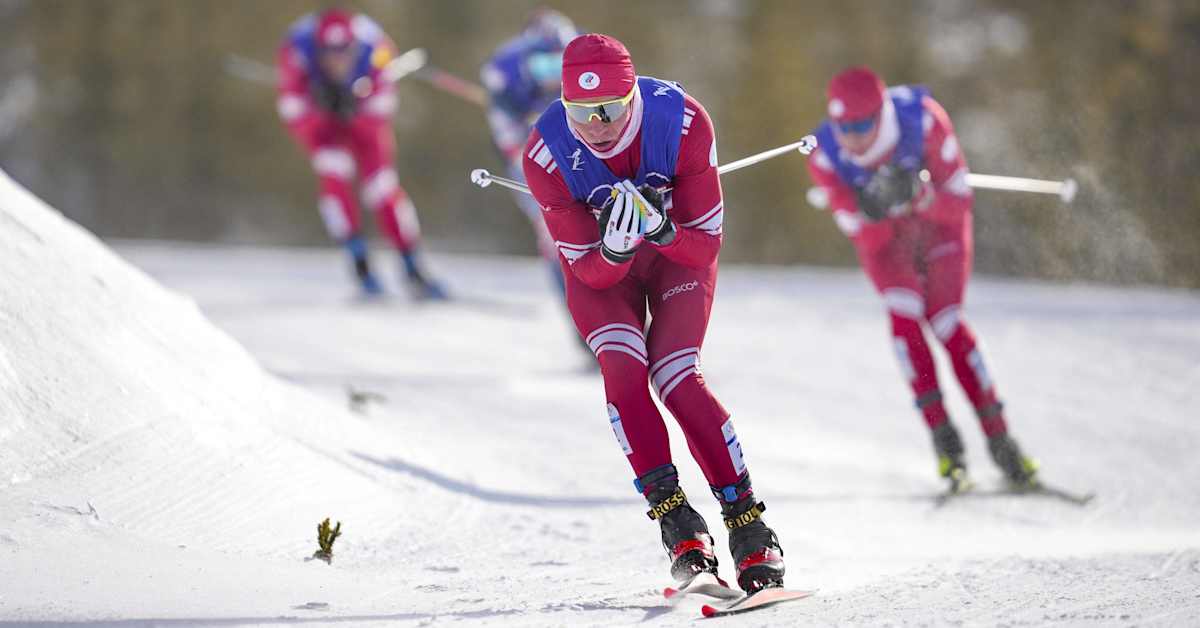
An expert on anti‑doping tells Yle that top Russian cross‑country skiers have, in general, been tested in a way that withstands scrutiny, even if some question marks remain.
Context: CAS has just issued a decision lifting blanket, nationality‑based bans from international competition. This immediately raises the issue of anti‑doping oversight for Russian athletes who have been excluded from international events since early 2022.
FIS testing pool - FIS’s public Registered/Advanced Testing Pool lists a large number of Russian athletes under the highest testing category: 23 cross‑country skiers starting with superstar Aleksandr Bolshunov, plus 17 athletes from other FIS disciplines. - Athletes in the pool must use WADA’s ADAMS whereabouts system, designating a daily one‑hour slot and location where they can be located for no‑notice tests. Three whereabouts failures within 12 months can lead to an anti‑doping rule violation and typically a 2–4 year ban.
Collection and analysis - According to a Russia‑focused anti‑doping expert interviewed by Yle (speaking anonymously due to their position), samples have been taken continuously and analyzed in top European WADA‑accredited laboratories—urine in Cologne and blood in Istanbul. Test numbers have dipped somewhat recently due to financial constraints but have remained high overall. - No reported positive tests from Russian athletes during the period of international exclusion. - Because Moscow’s lab lost WADA accreditation and RUSADA lost international trust after being implicated in state‑sponsored doping, samples have not been analyzed in Russia. FIS has long used the German company PWC for sample collection logistics.
Open questions—especially for blood - The expert believes urine testing logistics and integrity appear sound: samples arrived on time and properly handled. - Blood testing poses challenges. Blood is used for the Athlete Biological Passport and growth hormone testing and must reach a lab within 24 hours of collection. If top Russians train in remote regions (e.g., Magadan on the Pacific coast), meeting the 24‑hour transport window can be problematic, potentially affecting test robustness.
Bottom line - On the whole, there has been substantial, WADA‑compliant testing of Russian skiers during the ban, countering the perception of a complete testing vacuum. Nonetheless, some uncertainties—particularly around blood sample logistics from remote training locations and a recent reduction in test numbers—remain.
See Also
How many Russian skiers have been tested for doping in recent seasons – Yle obtains FIS testing figures
December 05, 2025 / Yle Urheilu
How FIS checks Russian athletes’ neutrality before Davos World Cup entry
December 09, 2025 / SVT Sport
Russia appeals ban on its Nordic skiers to the Court of Arbitration for Sport (CAS)
November 07, 2025 / Yle