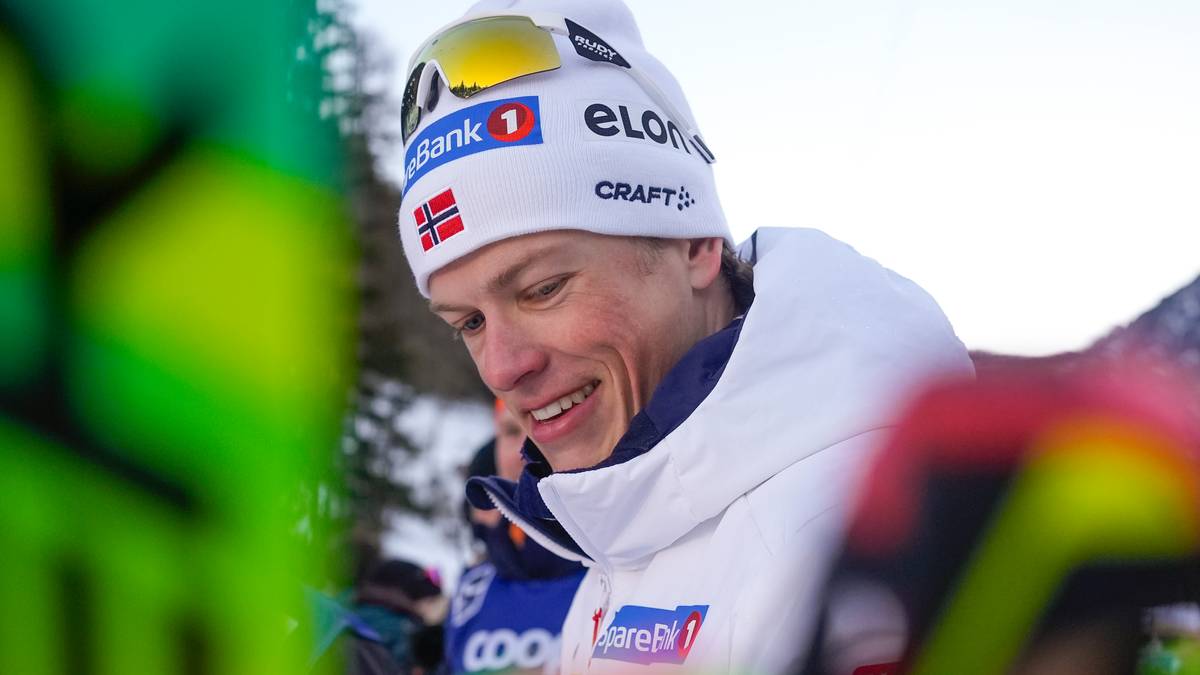
Shortest Tour de Ski ever — Johannes Høsflot Klæbo dislikes the trend
Originally published in NRK on December 31, 2025
The men’s shortest Tour de Ski route ever has been confirmed, and Norway’s Johannes Høsflot Klæbo — along with other cross‑country profiles — is unhappy about the development.
Klæbo says he doesn’t like that “they shorten everything,” in the podcast Skirious Problems. The world’s top cross‑country skier of recent years reacts to the fact that the Tour de Ski, approaching its 20th edition, keeps shrinking.
This season men and women will each race a total of 45 kilometres plus two sprints. That makes this the shortest edition on the men’s side in the event’s history. A year ago the totals were about 80 km plus two sprints; 15 years ago men covered over 100 km.
British skier Andrew Musgrave calls this a “puny” edition, criticising the short stages and limited movement between venues.
Klæbo says he misses earlier editions when the tour travelled to many different places with nine stages in ten days — stages that were demanding in themselves. He specifically recalls the 2011/12 tour as much tougher than current editions.
One reason organisers have scaled back distance and travel is the Milano‑Cortina Olympic season: a lower total load is meant to attract the biggest stars. Historically the shortest Tours have also appeared just before Winter Olympics (Pyeongchang, Beijing and Milano‑Cortina).
The article lists some historical totals: in 2010/11 and 2011/12 men covered 105 and 110 km respectively; for 2017/18 totals were 45 km (women) / 55 km (men); 2021/22 43/58 km; and 2025/26 planned at 55/55 km in another reference.
Tour organisers have also cited sustainability and gender equality among factors shaping the concept. Since 2022/23 men and women race equal distances; this raised the women’s load but men’s total has decreased.
Klæbo acknowledges FIS’s attempt to enable broad participation ahead of the Olympics but would prefer longer, tougher stages. William Poromaa (Sweden) and other athletes share his view.
NRK contacted FIS but had not received a response at the time of writing.
NRK’s cross‑country expert Fredrik Aukland agrees that the tour has lost status. He suggests bold solutions — for example awarding a world‑championship‑level title for the Tour to restore prestige — and calls for more stages, destinations and higher ambitions from FIS.
Despite the criticism, Klæbo must still contest the steep Alpe Cermis climb on the final stage next week. New features this year include a four‑heat five‑kilometre mass‑start format with athletes grouped into heats of 20–25; some athletes prefer an individual five‑kilometre prologue instead.
Several racers quoted in the piece — including Karoline Simpson‑Larsen, Harald Østberg Amundsen, and Ebba Andersson — express mixed feelings: practical advantages to shorter travel but a wish for longer and more numerous distance races when logistics allow.
The article places the Tour’s evolution in context and records athlete pushback, arguing the sport’s governing body faces a choice about the event’s future direction and status.
See Also
Tour de Ski Celebrates 20 Years Next Winter – Sweden Wants Change
October 06, 2023 / SVT Sport
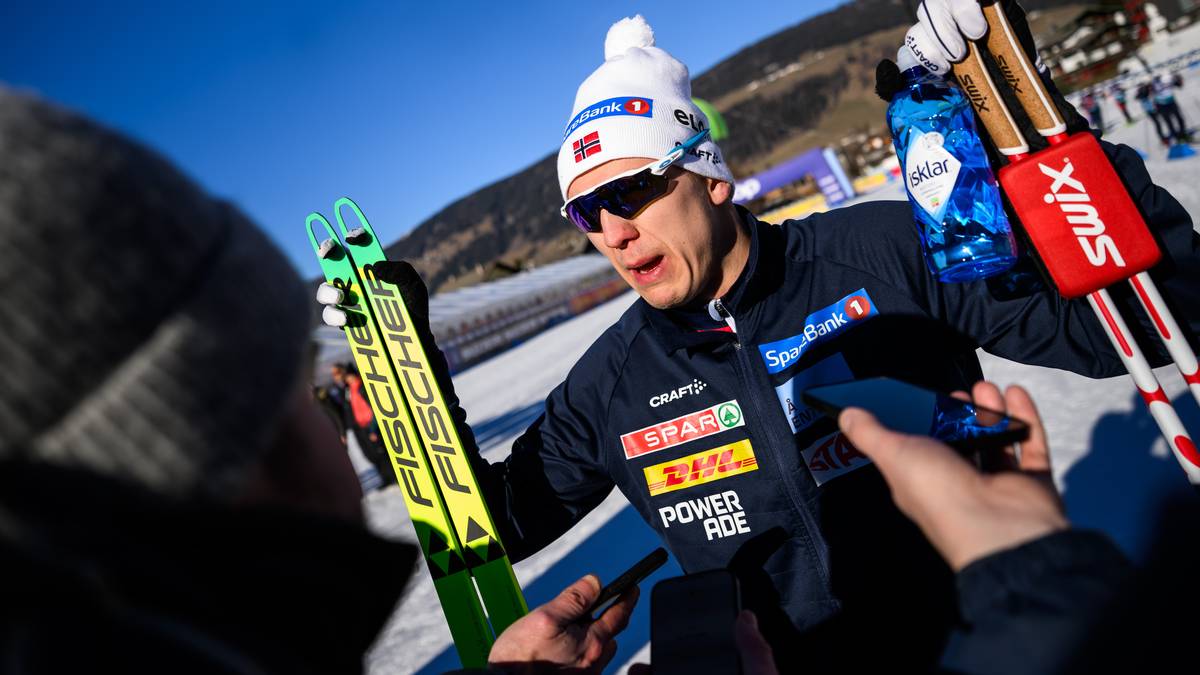
Simen Hegstad Krüger criticises new Tour de Ski format: "Ridiculous"
December 31, 2025 / NRK
/origin-imgresizer.eurosport.com/2025/12/31/image-80b9c906-bdf9-46de-898f-b4c3c0190082-85-2560-1440.jpeg)
Lars Heggen back on the podium in Tour de Ski — new format draws strong criticism: “Silly”
December 31, 2025 / Eurosport
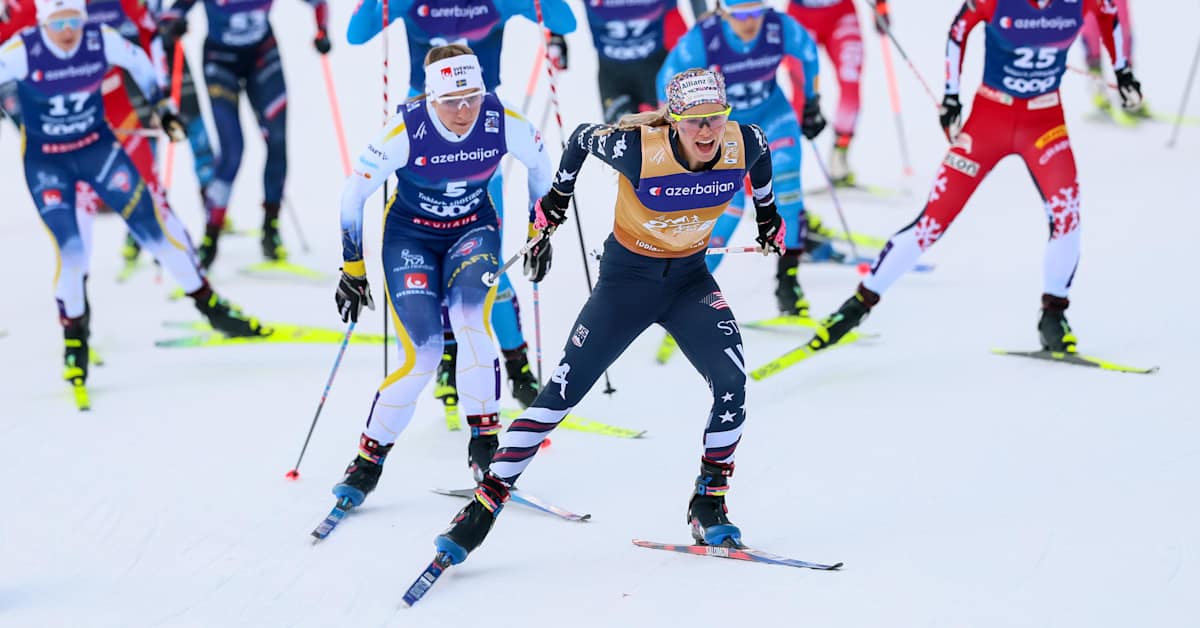
New heat-based 5 km free Tour de Ski race divides opinions — Diggins and Schumacher win
December 31, 2025 / Yle