Olympic cross‑country course changed after last year’s criticism — Reijo Jylhä says earlier problems may still be possible
Originally published in Yle on January 03, 2026
Yle will broadcast the Tour de Ski finale weekend. On Saturday the programme features classic‑technique sprints, and on Sunday the legendary Alpe Cermis final climb — 10 kilometres in skate technique.
The Tour de Ski is heading toward its climax as it moves into Val di Fiemme. On Saturday the skiers will contest sprints in the north‑Italian scenery.
The same terrain where the Tour ends will soon host the Milano‑Cortina Winter Olympics cross‑country medals.
The Val di Fiemme Olympic course was already partly tested during last year’s Tour de Ski. At that time the sprint loop drew a wave of negative feedback from athletes.
During the classic sprint heats there were awkward moments when skiers did not want to lead into the final downhill. Racers who had been at the front were often overtaken because of the drafting advantage. The finishing straight was so short that the race could not always be decided there. Standing around and cautious tactics frustrated Finnish skiers and experts.
Last year Finnish sprinter Lauri Vuorinen called the course “the worst in history.”
Watch Vuorinen’s outburst about the sprint course from last year.
Now the sprint loop has been changed from last year. Among other changes, it is 200 metres longer than last year.
“There’s one more climb, so now there are three climbs in total. The first of them is a little smaller than last year. After you drop down from it there is a brand‑new climb — a short, steep kink,” Finland’s head coach Teemu Pasanen told Yle in Val di Fiemme.
The Finnish national skiers only arrived on site on Friday. Pasanen’s first impression of the course changes is nevertheless positive.
“I think it will certainly be better now. First, it’s longer and differences will be created when there’s an intermediate climb. Also the work section continues up from the top of the Zorzi climb, so that will also create gaps in the climb itself. Starting the descent lower down means you don’t come into the last hump at such high speed.”
Old problems still possible
Women’s head coach Reijo Jylhä is not entirely on the same page as Pasanen.
“I think there are still bottlenecks comparable to before. The climb itself is long and good, but I feel the run‑in to the finish hasn’t changed — you can still come to the line with relatively few pushes,” he said.
Here’s how the Val di Fiemme sprint semi‑finals at last year’s Tour de Ski looked when the women’s races bunched up on the descent into the finish.
Jasmi Joensuu and Johanna Matintalo in a sprint semi‑final.
Jylhä does not draw a straight line as to whether the changes have made the course better or worse.
“My view is it’s not worth ‘getting hung up’ on whether it’s good or bad, but on how you must ski to be able to succeed,” he sums up.
“How should one ski to do well then?” asked the interviewer.
“You need to have some ‘punch’ going into the Zorzi climb so that you can arrive to the descent in proper positions. Entering the downhill it may still be the same situation as before — you probably don’t want to come up the little hump leading to the finish right out front.”
More work still needed on the tracks for the Olympics
Although the course layout has been changed, not everything on the tracks is ready yet for the five‑ring Games in Val di Fiemme.
“It still looks a bit unfinished here. There hasn’t been a lot of new work compared with last year. It looks like there’ll be work to do in the final month before the Games,” head coach Pasanen says, ending with an amused smile.
The Finnish skiers and their rivals will not yet get to try everything the Olympics will include. The 3.3‑kilometre free‑technique circuit is in use and matches last year’s combined‑event course.
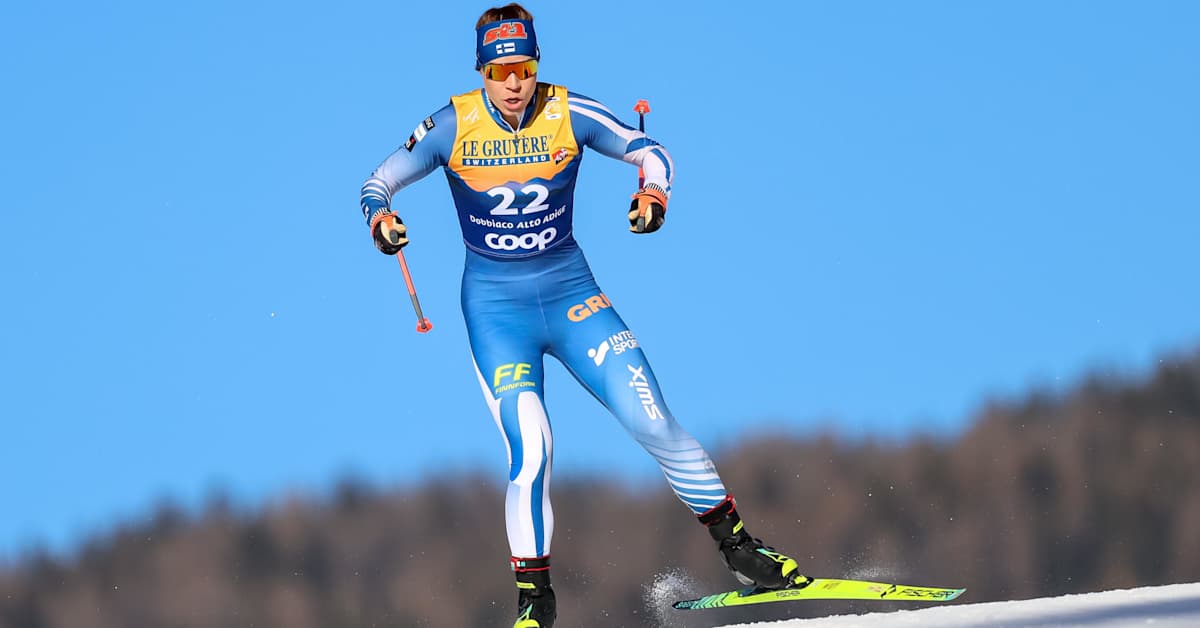
(Photo: skiers climbing a hill in classic technique during Tour de Ski 2025.)
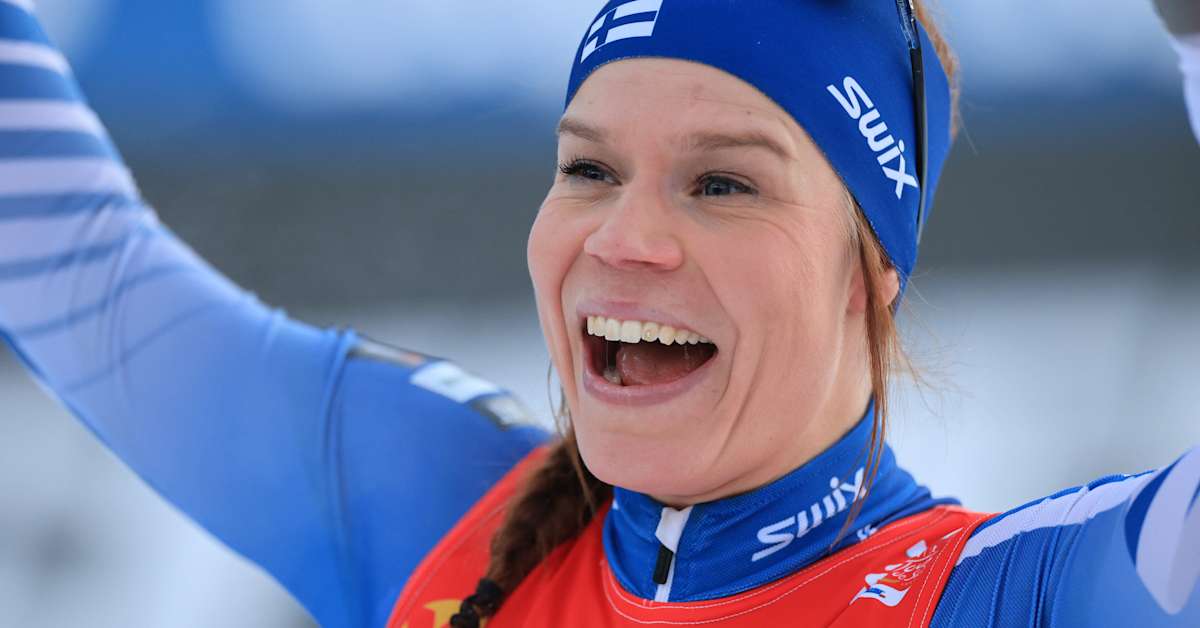
Jasmi Joensuu skied at the front in last year’s Val di Fiemme sprints. Joensuu nevertheless fell out of the final, finishing third in her semi, but said she was satisfied with the course. She now takes the new loop into the Tour with a decent position in the overall standings. (Photo: Getty Images)
“Last year we didn’t get on the classic loop and we still don’t; those tracks aren’t ready yet. We’ve looked at the map and some routes are older tracks. There are a few new ones, but we can’t ski them, so we can’t test the whole programme yet,” Pasanen says.
The Tour de Ski sprint in Val di Fiemme is therefore relevant for the Olympic sprints.
“Tomorrow is important in that we’ll really see how the course works. You never really know on paper whether it’s good. When you race it, you see best. That allows us to form tactics about how to ski it in the Olympics.”
See Also
Jasmi Joensuu and Lauri Vuorinen to test Val di Fiemme’s new Olympic sprint course
December 26, 2025 / Yle