Commentary: Eero Hirvonen’s bronze is one of Finland’s greatest Olympic stories
Originally published in Yle on February 11, 2026
Eero Hirvonen rose to become an Olympic medallist against the odds. The decisive insight came on the skis two days before the big moment, writes Atte Husu.
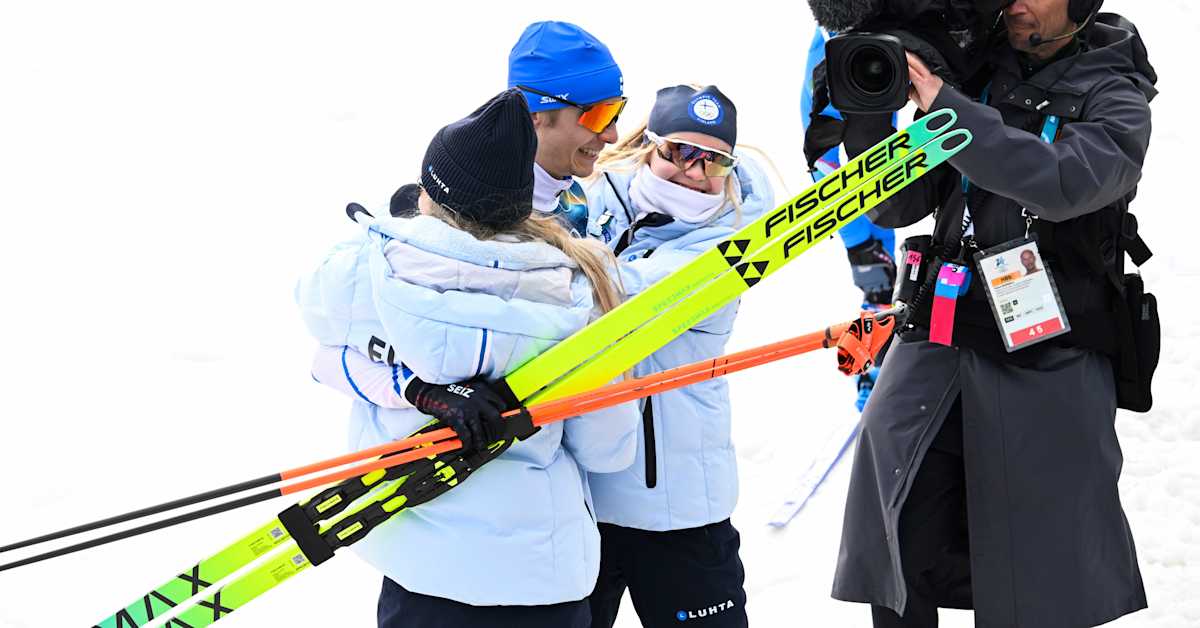
The Finnish team celebrated Eero Hirvonen’s Olympic bronze with emotion at the finish area of Val di Fiemme. In the days leading up to the combined events, changing weather had been a headache for the cross‑country waxing crews; the waxing chief Heikki Tonteri described sprint day as a rollercoaster. There were both successes and failures in the waxing tent: Jasmi Joensuu cried when her medal chase ended in the quarterfinals, while Lauri Vuorinen managed to climb into the medal fight after scraping through time‑trial qualification by a few tenths.
If the cross‑country waxing chief had been under strain, the Nordic combined service team could sleep soundly. Two days earlier the team had done a ski test that proved decisive: a base pattern was found for the skis of Ilkka Herola and Eero Hirvonen that made top performance possible. According to Yle Sport sources the pattern was christened “Pekka” after waxing chief Pekka Kemppi. When Herola and Hirvonen reached the top ten after the ski jump and the gap to the best competitors did not blow up, the table was set for an Olympic medal.
That Hirvonen was ultimately the one to put bronze around his neck makes for one of the great Finnish Olympic stories. Hirvonen first scored World Cup points ten years ago and in the following season finished fourth early on, so many thought the 20‑year‑old would become a medal‑regular. He thought so too.
Instead Hirvonen endured the harsh realities of elite sport year after year. Results repeatedly fell short at the season’s key moments. Until Val di Fiemme, his last individual World Cup podium had been in Klingenthal on 17 March 2018 — eight years earlier. Last season Hirvonen contested eight World Cup events and averaged 26th place; even in his best races the gap to the podium was half a minute as he finished 12th. This season began promisingly with an eighth place at Ruka, but since then his average placings have drifted into the mid‑teens and worse. The Olympic bronze therefore came against all probabilities.
The strain was visible also at home. Hirvonen’s parents told Yle Sport after the medal that they had believed in their son’s chance, but watching repeated setbacks had made them worry about his mental limits. The emotion also overwhelmed Hirvonen’s personal coach Petter Kukkonen, who at the Val di Fiemme stadium struggled to speak through his feelings.
Although Nordic combined is an individual competition, Kukkonen emphasised that many people both inside and outside the national team played a crucial role in Hirvonen’s path to the Olympic podium. That was clear while watching the team celebrate in the stadium’s finish area. For the Finnish Olympic team, arriving in Milan and Cortina in challenging circumstances — still stung by a medal‑less Paris 2024 summer Olympics — Hirvonen’s medal felt like the end of a dry spell. The sight of the ski jumping squad and the whole team gathering to celebrate underlined what his bronze means to the sport community.
See Also
/origin-imgresizer.eurosport.com/2026/02/11/image-3158e4c2-fbbf-44c5-bf76-ca26ba22388a-85-2560-1440.jpeg)
Jens Lurås Oftebro wins his first individual Olympic gold
February 11, 2026 / Eurosport
:format(webp))
Jens Luraas Oftebro holds off Lamparter for Gundersen Normal Hill gold
February 11, 2026 / FIS