
How women's ski jumping has grown since its Olympic debut in 2014: "Now there’s a real chance to turn pro"
Originally published in L'Équipe on February 15, 2026
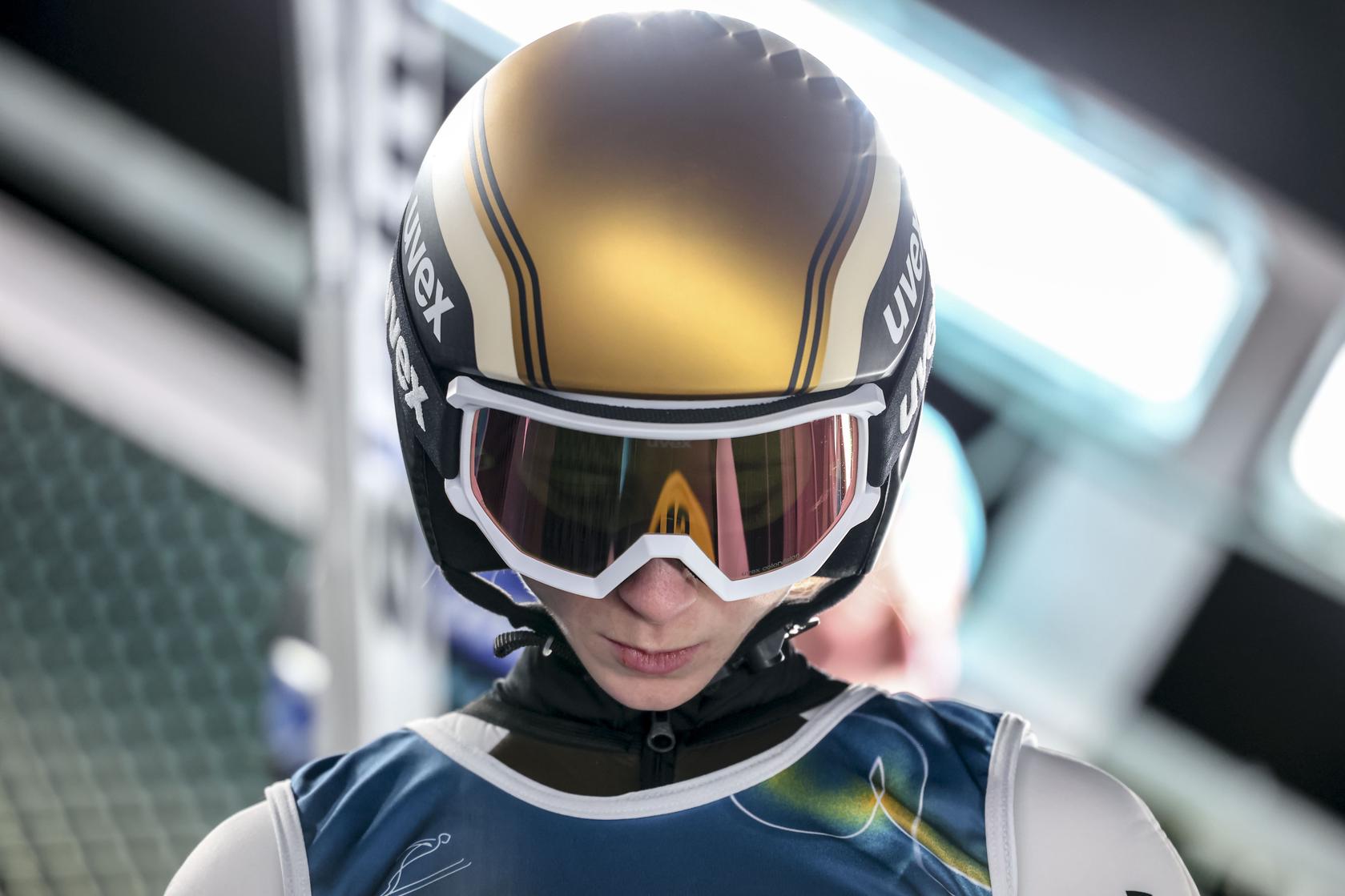
For the first time at these Games the women’s event on the large hill took place — won Sunday evening by Norway’s Anna Odine Strøm. It is the latest sign of a discipline that has benefited from its inclusion on the Olympic programme in Sochi 2014.
Twelve years after the Olympic debut, women's ski jumping is staging its fourth Olympic edition this winter in Milan‑Cortina. Driven by the arrival of stronger younger generations, the sport has grown substantially.
Already crowned on the normal hill, Norway’s Anna Odine Strøm added history by taking the first Olympic gold on the large hill, ahead of compatriot Eirin Maria Kvandal and Slovenia’s Nika Prevc. That milestone underlines the progress since Sochi.
Coline Mattel, bronze medallist in 2014 and one of the pioneers of the discipline, sums up the change: “The sport has professionalised. The FIS has really put things in place for the women's circuit. It is now almost as important as the men's circuit. In ten years there have been many more large‑hill competitions in the season.”
Indeed, the World Cup calendar has got denser and higher‑level: this season the schedule lists 20 rounds across more than a dozen countries, three more events than in 2025. That brings more athletes: 66 women have scored World Cup points this season — nine more than in the previous Olympic season.
This professionalisation naturally raises the overall standard. “Since 2014 the evolution is impressive,” says Étienne Gouy, director of ski jumping and nordic combined at the French Ski Federation. “Ten years ago there might have been a 5–6 km/h difference with the men. Girls had to start higher to reach the same level. Now the best sometimes start almost from the same gate. And it improves every year.”
Mattel, who was among the sport’s early figures, shares that view. “We don't say that back in our days people didn't jump well, but there is a real thing now,” she says. “Before some would stop because they had to earn a living. Now there’s a real chance to become a professional.”
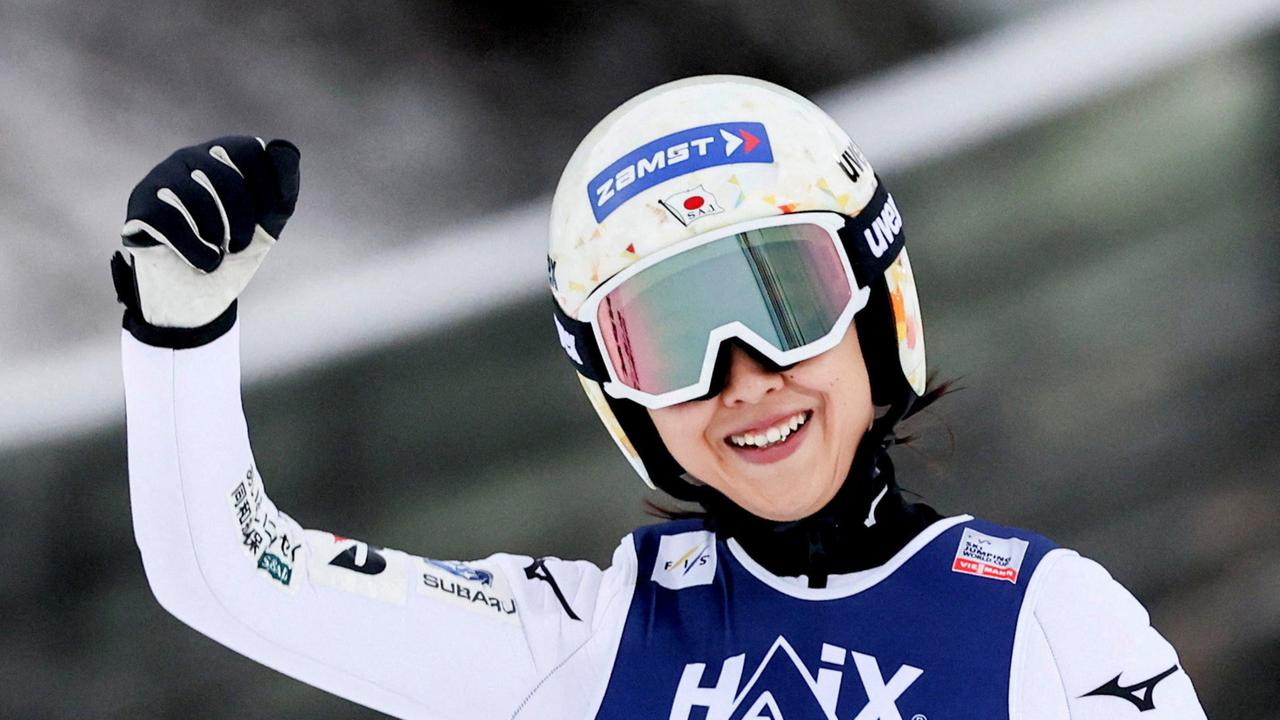
Behind leaders such as Nika Prevc and Japan’s Nozomi Maruyama — who have dominated this World Cup season — the field has become much deeper. “There are still two who run away up front, but to be fifth to fifteenth you really must jump well,” Mattel analyses. “Training methods haven't radically changed, but there is more technical work, diet and equipment focus. We go looking for the small things everywhere. The margins are tiny now — it’s a bit like Formula 1.”
The article also notes the difficulties for France, which has not rebuilt to the level of Coline Mattel’s 2014 bronze: French jumpers such as Joséphine Pagnier and Emma Chervet still lag behind the world’s best this season.
Overall, Olympic recognition in 2014 set the discipline on a new path: more competitions, more athletes, rising standards and clearer professional pathways for women ski jumpers.
(Report from Val di Fiemme by Quentin Coldefy)
See Also
Winter Olympics history beckons for Women’s Large Hill contenders
February 15, 2026 / FIS

Two Nights Tour: A Step Towards Parity for Female Ski Jumpers
January 04, 2024 / L'Équipe
Two Nights Tour: A Leap Towards Equality for Female Ski Jumpers
January 04, 2024 / L'Équipe
Ski Jumping: Women Continue to Fight for 'Hill Equality'
November 20, 2024 / Sport1
Ski jumping surprise: Nozomi Maruyama blasts the field with three wins in Lillehammer
November 24, 2025 / Sportschau